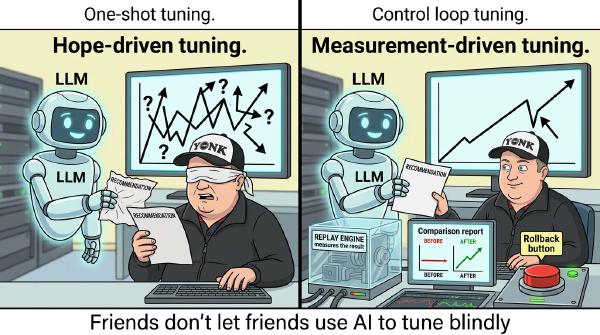
A full LLM-driven tuning loop with four real outcomes: a successful apply, an automatic rollback on regression, a safety-layer rejection, and a hint-driven redirect. No recommendations without measurement.
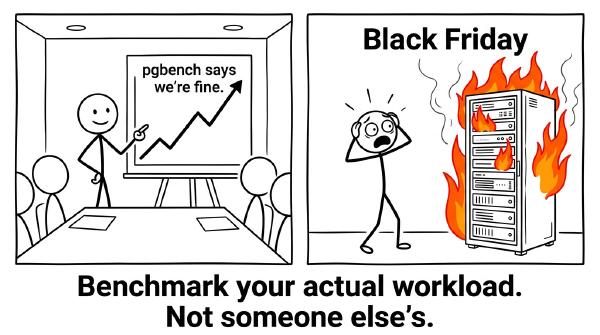
Build a capacity benchmark from real captured traffic, sweep 1x → 50x, and drive PostgreSQL into saturation on purpose so you find the knee before production does.
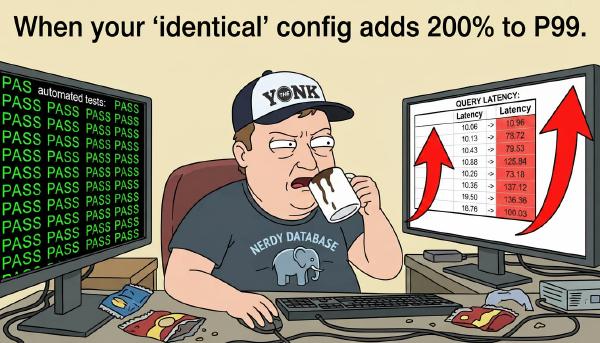
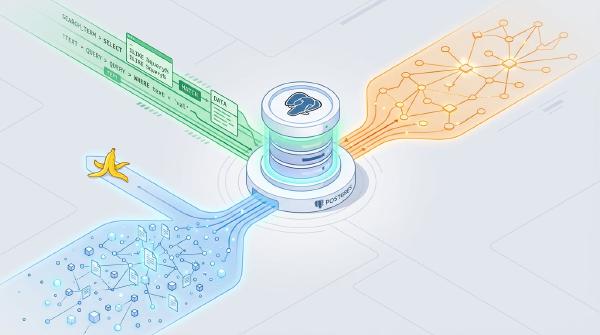
From git clone to capturing a real PostgreSQL workload and replaying it against a test target — end-to-end on your laptop, with every command actually run.
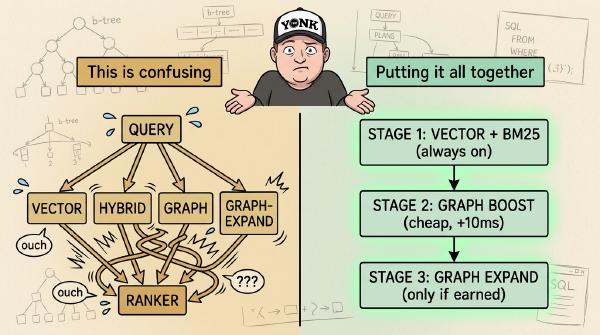
Part 3 of 3. 391 real SCOTUS cases, four retrieval strategies running side by side, multi-hop Cypher that no hybrid search can match, and the production-ready 3-stage architecture you should actually ship.
Part 2 of 3. A complete Docker setup for Postgres 16 with pgvector and Apache AGE, plus your first vector similarity query and your first Cypher traversal — with the gotchas that cost me an afternoon the first time.
Part 1 of 3. Users ask three shapes of questions and only one of them needs a graph. Honest benchmarks, a 3-stage retrieval architecture, and why graph is a multiplier — not a replacement.
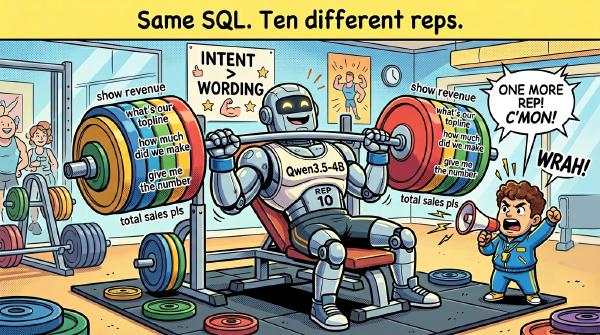
A layered training corpus — domain pairs, public ballast, and a reusable Postgres syntax corpus — is 80% of the work for a NL2SQL LoRA. The training config is YAML and patience.
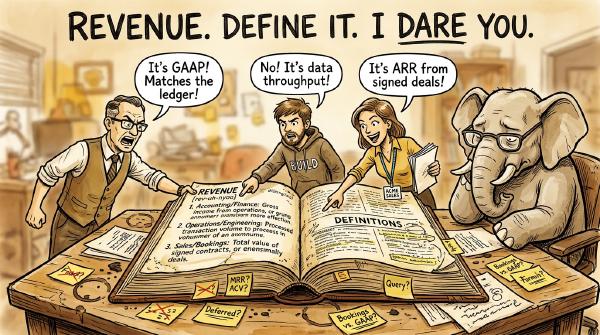
A step-by-step walkthrough of building a PostgreSQL semantic layer in pg_agents — crawl the schema, enrich it, define your vocabulary, lock down categoricals, and promote the queries that work.
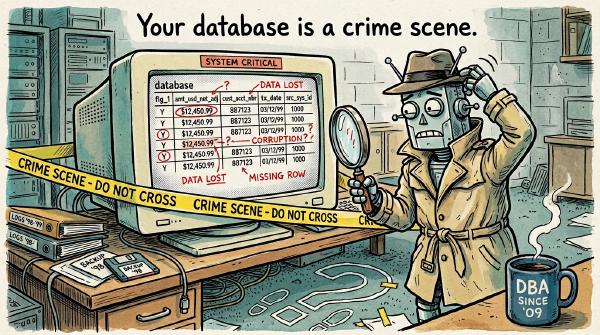
Raw LLMs hit 10-20% accuracy on real enterprise schemas with cryptic column names and tribal-knowledge joins. Here’s why, and the semantic-layer fix that takes you from toy to production.